
Communication majors create and share meaning for the common good.
The Hope College Department of Communication offers a premier undergraduate learning experience in communication. Join us to discover the central, complex role of communication in society and learn to communicate effectively across multiple contexts — in civic life, across cultures, in workplaces and in relationships.
With a degree in communication from Hope, you’re showcasing your commitment to ethical, competent communication. And you'll be well prepared to create and share meaning for the common good.
- Learn to communicate effectively
-
Receive intensive faculty mentorship by collaborating on research and media projects, and use our state-of-the-art television studio and media labs to boost your creativity and technical skills.
- Dig deep into research-based inquiry
-
Research is a hallmark of Hope’s curriculum — and ours. Communication majors are required to take COMM 280 Quantitative Methods in Communication Research and — depending on your academic and career interests — either COMM 260 Rhetorical Methods in Communication Research or COMM 270 Qualitative Methods in Communication Research. All of our elective courses combine theory and application. You’ll have opportunities to build close working relationships with your professors through research collaborations.
- Become an ethical leader
-
Our courses prepare you for ethical decision-making. In courses such as Intergroup Dialogue and Small Group Communication, you will lead discussions on difficult issues and understand how to communicate ethically both in small teams and across cultures.
- Develop cultural competency
-
At Hope, we prepare students to become global citizens. In addition to courses such as Intergroup Dialogue, Intercultural Communication, and Gender Communication, students can participate in off-campus study programs led by faculty members in diverse locations, like the United Kingdom, Japan, South Korea and Hawaii.
- Personalize your plan of study
-
You may choose courses from seven academic concentration areas, focusing on one or multiple, overlapping areas. These concentrations serve as a map for academic exploration and quest as the department offers a broad range of interests and opportunities.
- Corporate Communication
- Global Communication and Peace Studies
- Journalism and Writing for Media
- Media Production and Criticism
- Organizational Communication and Leadership
- Relational Communication
- Rhetoric and Public Advocacy
Talk to your advisor or a communication faculty member to design a plan of study specific to your interests and career goals.
Whatever you choose to do with your communication degree — and trust us, the opportunities are boundless — you’ll get a head start on life outside of the classroom by taking part in an internship, completing rigorous coursework, exploring the world through off-campus study, and finding your place in student clubs throughout campus.
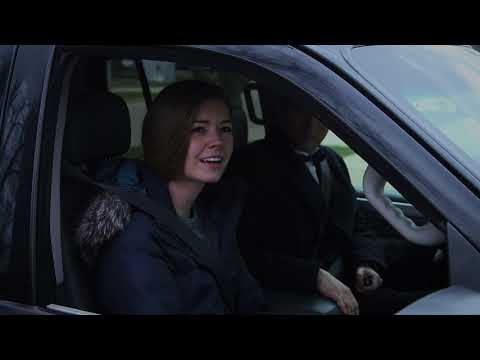
Student Projects

Recent blog posts
-
Independent Study & Comm Research
Posted by Communication Department 'By Joanna Thornburg This semester I had the opportunity to complete an independent study in Commu...
Read More -
Comm’s New Assistant Professors (Part 4): Jennifer Sorek
Posted by Dr. Sarah KornfieldInterview with Professor Sorek. The post
Read More
What can i do with a communication degree?
Explore the many career options you have with a communication degree.
Walk-In Office Hours
M-F: 8am – noon; 1–3pm
Martha Miller Center257 Columbia AvenueRoom 107Holland, MI 49423
workP. 616.395.7595
communication@hope.eduHope by the Numbers
- 7–9Career changes for today's students
The Carnegie Foundation projected that college students will change careers 7–9 times in their lives. The communication department provides you with the skills to flexibly work in this rapidly-changing society.
- 100%Internship participation
Every communication major gets real-world experience during their time at Hope by completing at least one internship as part of their major requirements.
- 83%Employed after graduation
Our graduates are successful in a variety of workplaces. Our robust liberal-arts curriculum ensures our grads are competitive and prepared to join an ever-evolving workforce.
- #1Sought-after job skill
Verbal communication was ranked the #1 skill for job candidates according to the 2016 report by the National Association of Colleges and Employers. Presentation and public speaking skills are integral to our program.