
Menagerie
Animals in Art from the KAM Collection
January 16–May 16, 2026
Originally a French word, a menagerie is a collection of both wild and domesticated animals kept for display, study and entertainment. Menageries first appeared in Europe during the Middle Ages as symbols of royal power. The practice of collecting animals spread during the Renaissance period to wealthy aristocratic and merchant families, who used menageries as symbols of their elite status and global connections. In the 17th and 18th centuries, some menageries assumed quasi-scientific functions, being used for the study of animals and their place in the natural history of the world. Other menageries became commercial enterprises, charging admission and serving as places of public entertainment. Menageries were largely replaced by public zoos and traveling circuses during the 19th and 20th centuries, but vestiges of them still exist today in some private animal parks and roadside attractions.
This exhibition offers a menagerie of animals as represented in works of art from a wide variety of cultures and historical periods. For thousands of years, artists around the world have created images of animals to document their existence and help people understand their importance to human civilization. Indeed, before the advent of photography and the internet, artworks such as these were the primary way people learned about animals beyond those that lived in their immediate environments.
Like a living menagerie, the goal of the exhibition is to both educate and entertain. The exhibition begins with a selection of common domesticated animals, and continues with a larger number of wild animals representing different species and geographical regions. To reflect the varied historical functions of real menageries, each object label in this virtual menagerie contains a mix of biological and cultural information about the animals depicted. Together, the artworks and labels remind us about the wondrous variety of animals that exist, the vital roles they play in the life of our planet, and the moral obligation humans have to preserve and nourish that life in the face of dangers posed by pollution, habitat loss and global climate change.
All of the artworks in the exhibition belong to the Kruizenga Art Museum collection. The museum is immensely grateful to the donors whose gifts of art and funds to purchase art made this exhibition possible: Orville C. Beattie ’39, Chris and Lisa Engle, Louise Zjawin Francke, Bruce and Ann Haight, Dr. David Ihrman, Johanna Just, David Kamansky and Gerald Wheaton, Roberta vanGilder ’53 Kaye, Bill and Nella Kennedy, Kevyn Lilley, Andrew Lueck ’04, Arthur and Kristine Rossof, Professor Gavriel Salvendy and Catherine V. Salvendy, The Dutch Immigrant Society, and Verne Trinoskey and Paula Armintrout Trinoskey.
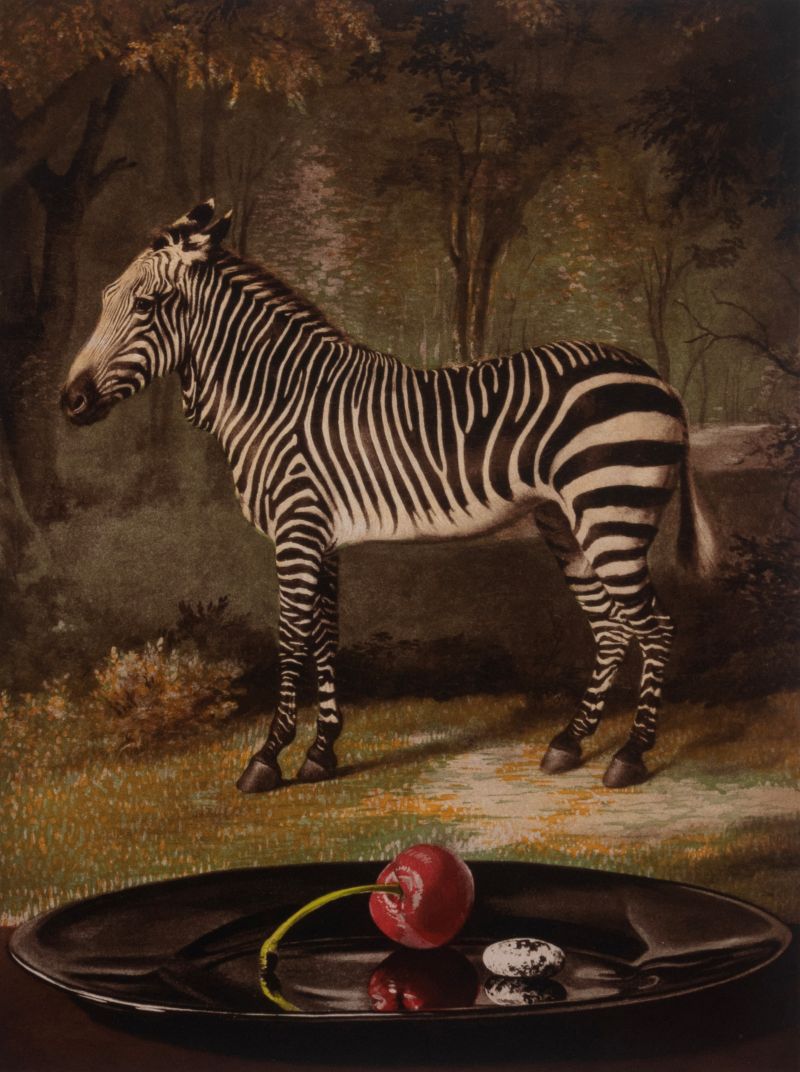
Image: Zebra. Sherrie Wolf (American, born 1952). 2011. Color etching, aquatint, and photogravure. Hope College Collection, 2025.32
Kruizenga Art Museum271 Columbia AvenueHolland, MI 49423
workP. 616.395.6400
kruizengamuseum@hope.edu